Short answer: yes. The ASPCA, America’s best-known animal welfare group and the folks behind the country’s main pet poison hotline, lists snake plant as toxic to cats. The plant contains saponins, which can trigger vomiting, diarrhea, and nausea if your cat chews or eats it. NC State University Extension rates the severity as low, but if symptoms show up, a vet visit is still worth it.
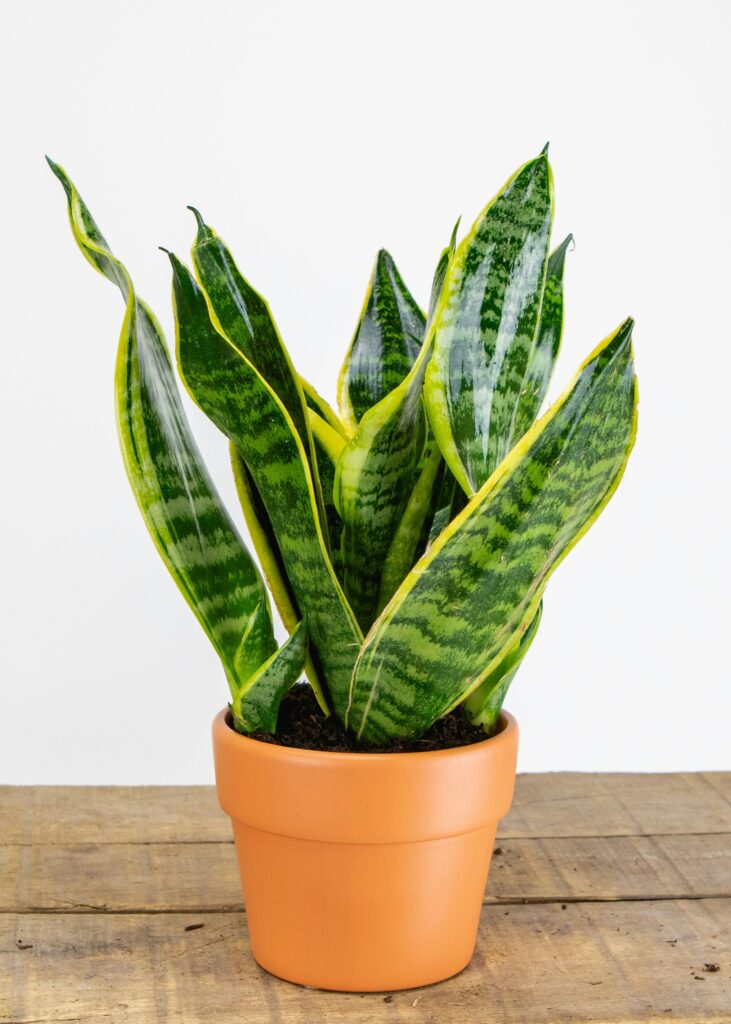
What actually is the snake plant?
Snake plant, botanically Dracaena trifasciata, might be more familiar to you under its older scientific name Sansevieria trifasciata, or its nickname “mother-in-law’s tongue,” a nod to its pointed, upright leaves. The plant originally comes from West and Central Africa and is one of the most popular houseplants around, largely because it’s nearly indestructible. It tolerates low light, irregular watering, and general neglect remarkably well. After a taxonomic reclassification, snake plant now belongs to the genus Dracaena, the same genus as the lucky bamboo from our first article. Both, along with asparagus fern and the spider plant, also belong to the asparagus family (Asparagaceae). This plant family keeps showing up across our cat-safety research, so it clearly deserves a closer look.
Is the snake plant really toxic?
Yes. The ASPCA lists snake plant as “toxic to cats,” with saponins as the toxic compound, the same class responsible for poisoning symptoms in lucky bamboo and asparagus fern. NC State University Extension, the agricultural extension service of the same US university, backs this up and rates the severity as “low”: poisoning is unpleasant but not life-threatening. Virtually all parts of the plant are affected, according to NC State, including leaves, stems, roots, flowers, and the sap. The CliniTox database at the University of Zurich, a leading European authority on animal toxicology, agrees with the mildly toxic classification (steroidal saponins) and documents a case where a dog ate an entire plant and later showed an unsteady gait and foaming at the mouth.
Symptoms of snake plant poisoning
Typical signs after eating snake plant include vomiting (occasionally with traces of blood), diarrhea, nausea, loss of appetite, and increased drooling. Some sources, such as the Pet Poison Helpline, also mention dilated pupils and an unsteady, wobbly gait as possible symptoms. The sap released from the plant can irritate the mouth’s mucous membranes too, similar to what we saw with asparagus fern. So it’s not just the toxin at work here; there’s mechanical irritation involved as well.
What to do if your cat has been nibbling on snake plant
Most cases turn out mild, so there’s no need to panic. Remove the plant or any fallen leaves from your cat’s reach, watch her closely over the next few hours, and don’t try to induce vomiting yourself without talking to a vet or a poison control hotline first. If vomiting or diarrhea keeps going, there’s blood in the vomit, or your cat seems unusually withdrawn, call your vet promptly.
Where our snake plants live
We actually keep two different snake plant varieties at home, one of them hanging in a ceiling planter, well out of Mickey’s usual reach. That’s turned out to be a practical setup. The upright, fairly stiff leaves aren’t nearly as inviting to bat around as the mobile fronds of asparagus fern or the spider plant, but we still keep an eye out in case Mickey wanders past and decides to investigate. Once we learned the plant contains saponins, keeping both of them in a cat-safe spot became non-negotiable.
Non-toxic alternatives to snake plant
If you like the architectural, upright look of snake plant but want to play it completely safe, the spider plant is worth a look. It has a different growth habit, but as we mentioned in our last article, it’s genuinely non-toxic to cats and makes a great low-maintenance houseplant too. If you specifically want that sword-like leaf shape, though, there isn’t much of a truly non-toxic look-alike out there right now. A cat-safe location is the better bet here rather than swapping the plant out.
Where things stand
Snake plant is a good example of a plant where “low-maintenance” doesn’t automatically mean “cat-safe.” Its saponins can upset a cat’s stomach if eaten, with NC State rating the severity as low. A deliberately chosen spot, a hanging planter out of reach in our case, is usually enough to let snake plant and cat share a home without issue.
This article isn’t a substitute for veterinary advice. If symptoms persist or turn severe, contact your vet or a nearby animal hospital.